
functions
HISTORY OF THE DEVELOPMENT OF THE DUTCH AND FLEMAND STILL LIFE (part 2)
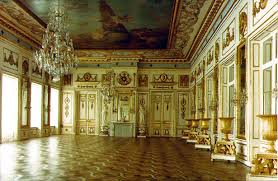 The developed manufactory, which arose on the basis of marine industries and shipping, a huge colonial economy and a leading role in world trade, provided Holland with an economic upsurge. Natural sciences are being developed to cater for the increased needs of the economy. Culture is blooming. Holland is becoming the center of European typography, and its universities enjoy universal fame. Significant successes are made by fiction, professional Dutch theater appears, outstanding works arise in the field of architecture, graphics flourish, and finally, the most characteristic, specifically Dutch art – painting reaches unprecedented heights.
We pay tribute to the brave Dutch seafarers, respect the achievements of Dutch opticians and doctors, philosophers and lawyers, but Dutch painters have overshadowed their glory for centuries. Continue reading